Study by TÜV NORD and ju:niz Reveals Extreme Variations.
Inconsistent assessment standards for firefighting water retention are complicating the approval process for large-scale battery storage systems. A joint study reveals variations ranging from 0.84 to 48 m³ for comparable installations.
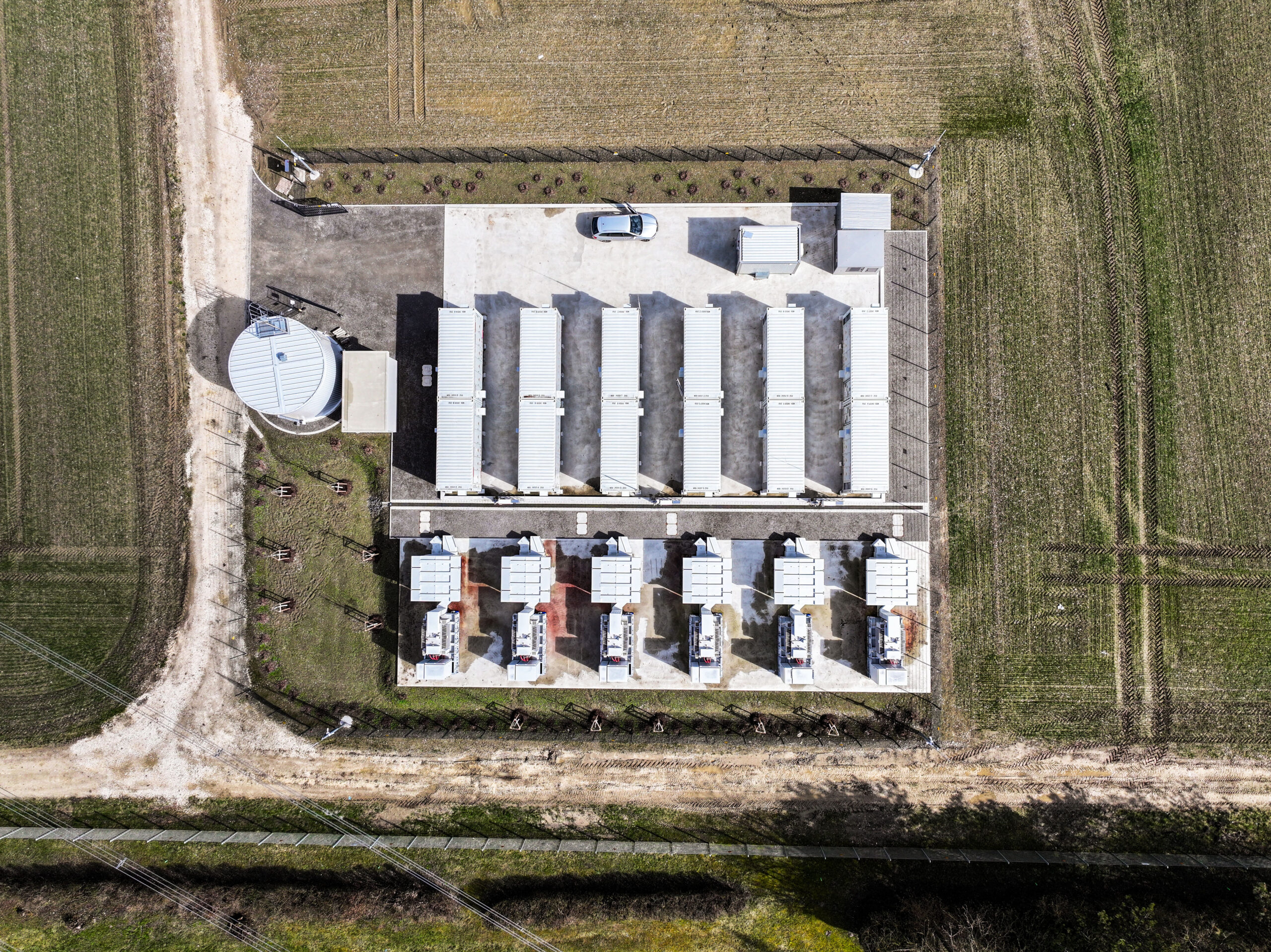
There are currently no uniform, binding assessment and calculation standards for the fire protection evaluation of large-scale battery storage systems. This complicates the approval process and delays the expansion of urgently needed storage capacities for the energy transition. A new study by ju:niz Energy and TÜV NORD EnSys demonstrates this using the example of a lithium iron phosphate (LFP) battery storage system in the 20 MW range.
Dramatic Differences Depending on the Assessment Approach
Depending on the method applied, the sizing of firefighting water retention yields widely divergent results. The calculated retention volumes range from approximately 0.84 m³ to 48 m³ – a factor of 60.
The smallest volume resulted from the lump-sum approach under VdS 2557, at approximately 0.84 m³; depending on the assumed fire load, this value increased to up to 1.65 m³. The largest volume of 48 m³ resulted from a regulatory standards-based approach assuming a firefighting water demand of 800 l/min over two hours. The reasons for this extreme range lie in the different methodological approaches: from standardised and tabular methods to analytical and standards-referenced calculation methods.
“The results show that different regulatory frameworks are currently being applied in parallel, sometimes yielding significantly different outcomes,” says Jan Struve, Head of Fire Protection at TüV NORD EnSys. “A uniform calculation basis for battery storage systems does not yet exist.”
Assessment Based on Existing Regulatory Frameworks
The study analyses a specific, modular container-based installation in the power range of approximately 20 MW, whose safety concept is transferable to comparable systems. The study examined how the choice of regulatory framework affects the required firefighting water retention. Among the standards and references applied were:
AwSV and the Federal Water Act (WHG)
VdS 2557
VCI guidelines on firefighting water retention
international publications and fire tests (including UL 9540A)
Influence of the System Design and Low Probability of Contamination
The required retention volume depends significantly on the specific system design.
These factors include the modular container design with spacing between units, automated fire detection (smoke, temperature, and gases), integrated gas suppression systems, as well as fire protection strategies based on external attack and targeted cooling.
In the scenario examined, a potential fire is contained to individual containers, while adjacent units are protected by cooling. The probability of relevant firefighting water contamination is assessed as low. Key reasons include:
primarily external cooling rather than interior attack
limited water entry into the containers
enclosed design of the battery systems
Under these boundary conditions, additional firefighting water retention measures may be dispensed with on a case-by-case basis.
Vural Oezcan, COO of ju:niz Energy, emphasises: “Safety requirements currently depend heavily on the chosen approach and the underlying assumptions. Independent inspection bodies help to assess these differences in a transparent and robust manner.”
Diverging Interpretation in Practice
The comparison of technically comparable installations across different German federal states illustrates how significantly divergent regulatory interpretations can affect real projects. In one case, an elaborate firefighting water retention basin was required; in a similar project, this requirement was waived entirely – even though both were subject to the same federal regulatory framework (AwSV).
Time for Risk-Based Standards
Modern battery storage systems are advancing technologically at a rapid pace. International standards such as UL 9540A, with its comprehensive large-scale fire tests, are continuously improving system robustness. At the same time, fire protection practice demonstrates that large-scale battery storage systems require differentiated, installation-specific assessments. Yet standardised, risk-based methods for uniform fire protection evaluation are still lacking.
The study underlines the need for a uniform, risk-based methodology that adequately reflects the current state of technology and specific installation concepts.
Until such standards are established, project-specific case-by-case assessments involving independent experts represent the most suitable approach to evaluating risks transparently and accelerating approval processes.

Press Photos
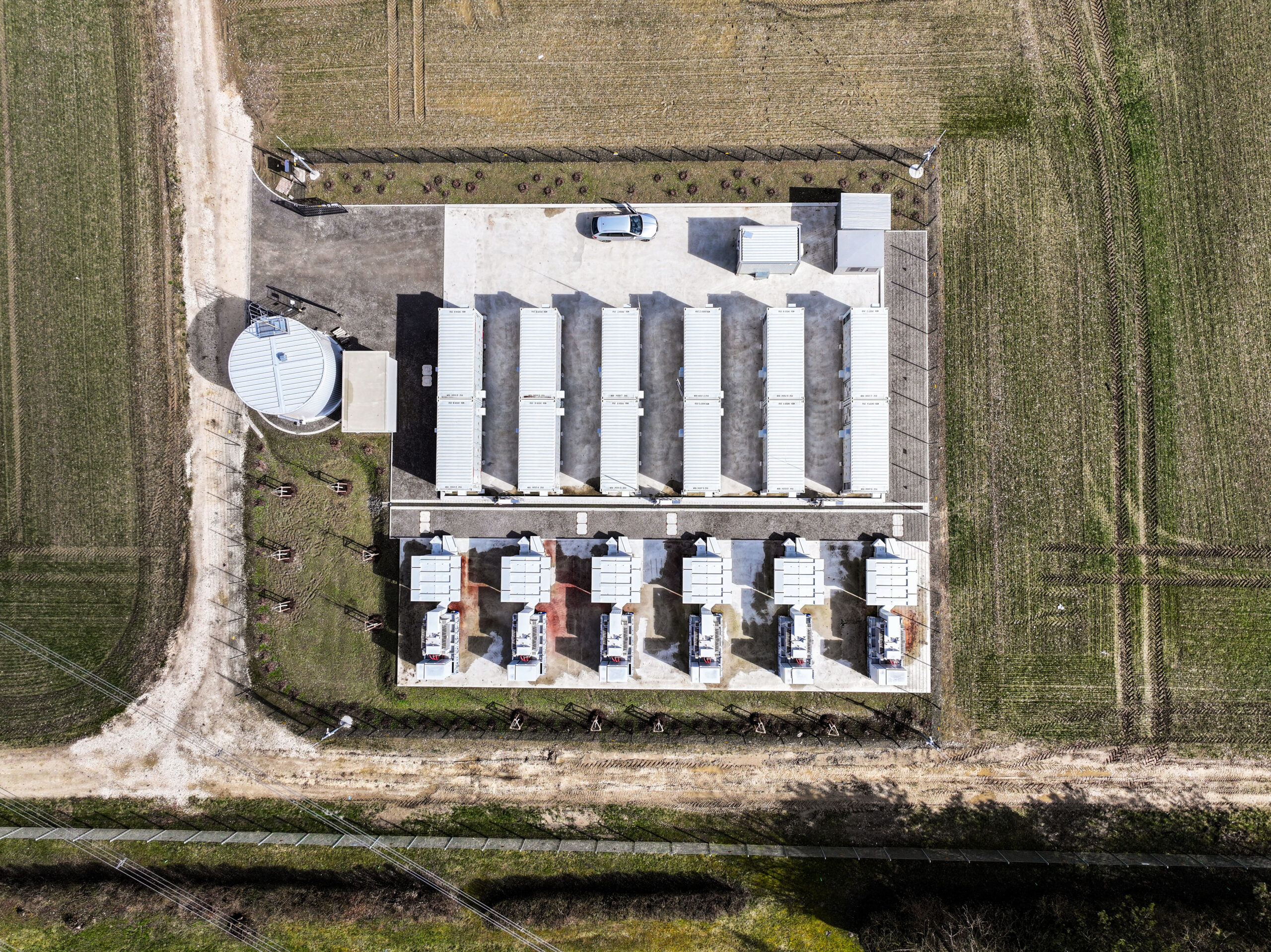
Large-scale battery energy storage system (BESS) in the 20 MW range, as analysed in the joint study by TÜV NORD EnSys and ju:niz Energy. Left: the site’s fire water tank.
Download